
CCTV Drain Survey in Middlesbrough
Heritage Drain Care Ltd provides CCTV drain surveys in Middlesbrough for homeowners, landlords and businesses investigating hidden drainage problems. Using specialist camera equipment, we inspect accessible underground pipework for blockages, root intrusion, displaced joints and visible damage, helping establish why drainage problems are occurring and what further work may be needed.
Get A Free Quote
Detailed CCTV Drain Inspections in Middlesbrough
Problems inside underground drainage are difficult to assess from the surface. A toilet that repeatedly backs up or a drain that keeps overflowing can indicate several different faults, and the visible symptoms may appear some distance from the cause.
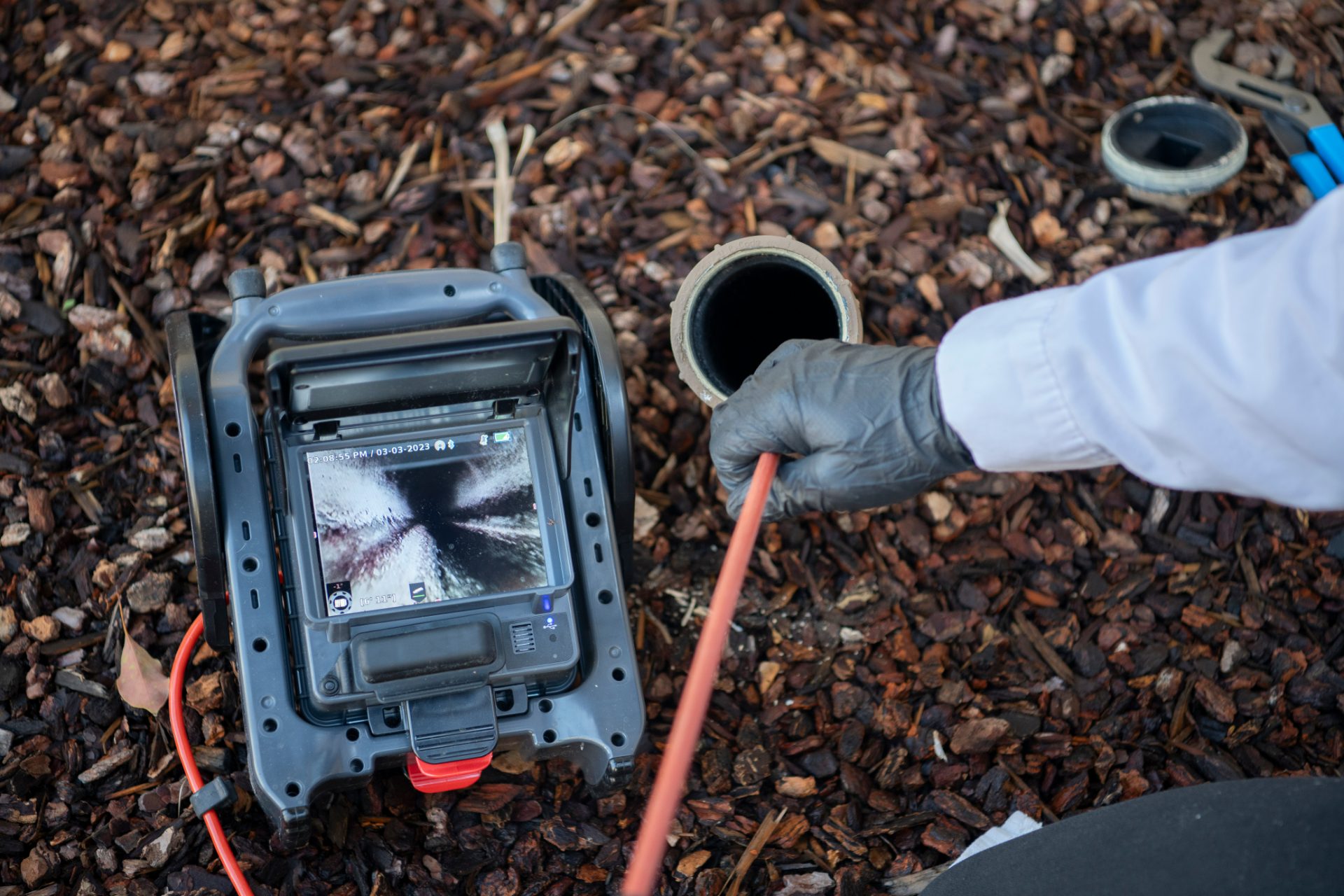
Heritage Drain Care Ltd carries out CCTV drain inspections in Middlesbrough to examine the internal condition of accessible pipework. A drainage camera is introduced through a suitable access point and moved through the system, allowing the pipe interior to be viewed as the inspection progresses.
This helps us distinguish between accumulated waste and defects that could require repair. The inspection also provides useful information about where a visible problem occurs within the surveyed section. We explain the findings and any limitations affecting the inspection, giving you a clearer basis for deciding what should happen next.

When Is a Drain Camera Survey Useful?
A CCTV drain survey can be useful when the same drainage problem returns after clearance. Waste may be catching around a damaged connection, roots could be restricting the pipe, or deposits may remain further along the system. Camera inspection helps investigate these possibilities.
Other reasons for an inspection include persistent slow drainage, unexplained smells and concerns about the condition of older underground pipework. These symptoms can have different causes, so a survey may form part of a wider assessment rather than providing the answer in every case.
Our CCTV drain surveys in Middlesbrough are guided by the problem you are experiencing. Knowing which fixtures are affected, when symptoms occur and what previous drainage work has been completed helps us identify the sections that need investigating.

Identifying Hidden Drainage Defects
A drainage camera can reveal visible cracks, open or displaced joints, root intrusion and obstructions within the pipe. It may also show deterioration or damaged sections that interfere with the passage of wastewater.
The position and extent of a defect matter when considering further work. A small area of damage presents different questions from a heavily restricted section or pipework with several visible faults. Camera inspection helps establish what can be seen and how it relates to the reported problem.
Visibility depends on the condition of the drain. Deposits, standing wastewater and substantial blockages can obscure the pipe surface or prevent the camera from progressing. Where this happens, we explain which sections have been inspected and whether clearance or another approach is needed before the investigation can continue.
CCTV Drain Surveys for Middlesbrough Properties
Homeowners may need a camera inspection to investigate repeated bathroom blockages, an outside drain that regularly overflows or concerns about damaged pipework. For landlords and property managers, a survey can help establish why tenants continue to report the same drainage symptoms despite previous clearance.
Commercial premises can also benefit from an inspection when recurring drainage faults disrupt facilities or require repeated attention. Understanding the condition of accessible pipework helps inform decisions about cleaning, maintenance and repairs.
We provide CCTV drain surveys across Middlesbrough, including enquiries from Linthorpe, Acklam, Marton and North Ormesby. The service forms part of our wider drainage services in Middlesbrough. You can also learn more about Heritage Drain Care Ltd and our approach to investigating domestic and commercial drainage problems.

Using Survey Findings to Plan Further Work
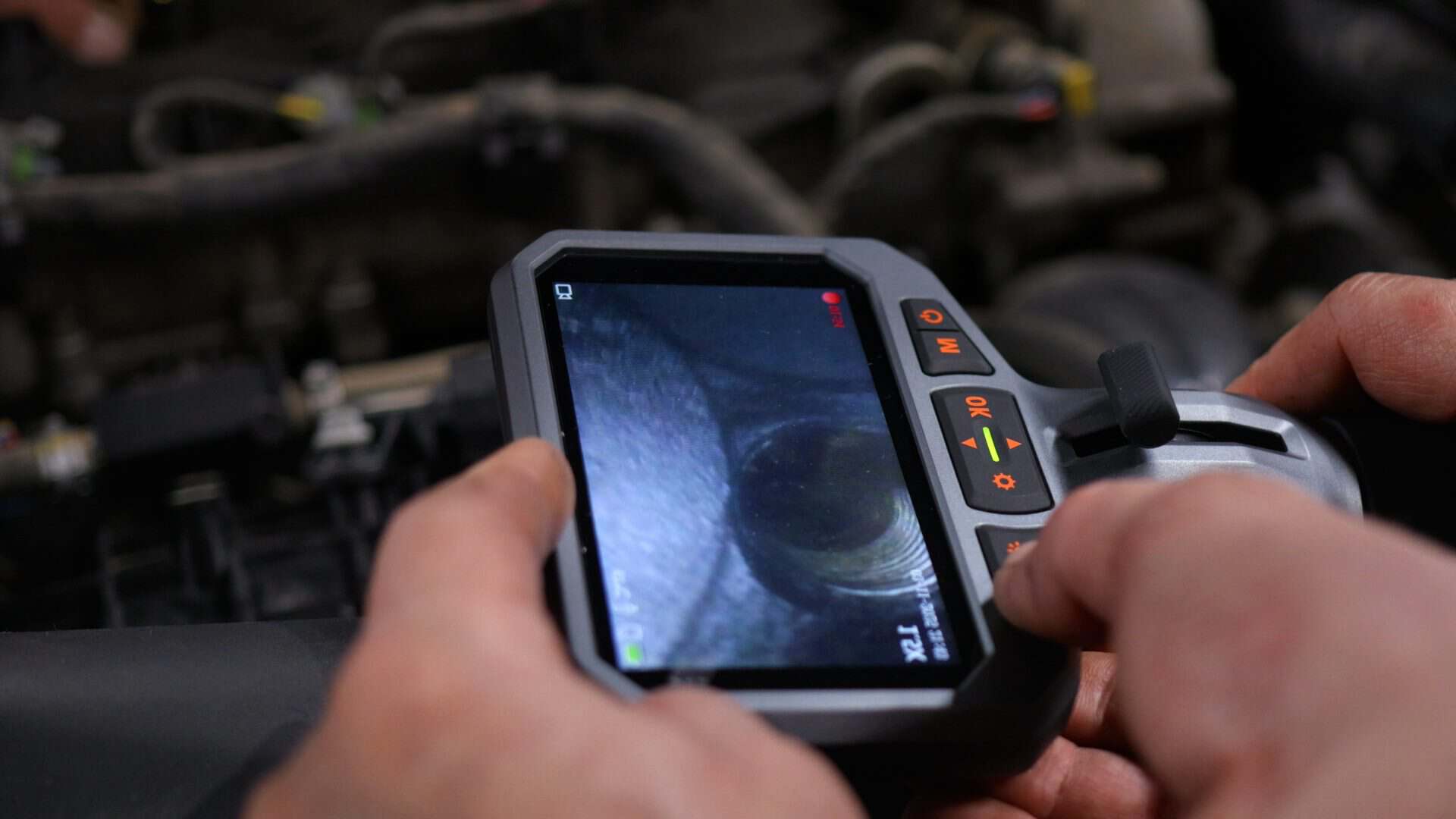
A CCTV drainage survey helps establish whether further work is needed and what that work should address. An obstruction may require cleaning, while a visible pipe defect could need closer assessment before a repair method is recommended.
Where wastewater is already backing up, restoring flow may take priority over inspecting the pipe. Our blocked drain clearance in Middlesbrough can address an obstruction before camera equipment is used to investigate why it developed.
Not every survey identifies a fault requiring repair. The inspected sections may be serviceable, or the findings may suggest that maintenance is the appropriate next step. We explain what has been observed and how it relates to your concerns.
To discuss a CCTV drain survey in Middlesbrough and request a free quote, contact our drainage team with details of the property and the problem.
Frequently Asked Questions
These answers explain what a CCTV drain survey involves, how the inspection is carried out and how the findings can inform further drainage work.
A CCTV drain survey can reveal visible conditions inside accessible pipework, including cracks, displaced joints, root intrusion, accumulated deposits and obstructions. It can help show where waste is collecting and whether a physical defect may be contributing to repeated blockages. The findings need to be considered alongside the symptoms because a visible imperfection is not automatically responsible for every drainage problem. Camera inspection also has limits: it shows the internal surfaces within view, rather than the surrounding ground or every concealed external defect. A useful assessment explains what was observed, which sections were inspected and how the findings relate to the reported fault.
Some drains can be inspected without prior clearance, particularly where the camera has suitable access and the pipe interior is visible. However, a substantial blockage may prevent the camera from travelling through the system, while grease, debris or standing wastewater can obscure important details. Clearance may therefore be needed before a useful inspection can be completed. In other circumstances, an initial camera inspection can help assess a restriction before further work begins. The sequence depends on the condition of the drainage and the purpose of the investigation. Any sections that remain inaccessible or cannot be viewed clearly should be recognised when interpreting the findings.
A CCTV drain survey is normally carried out through an existing suitable drainage access point, allowing accessible pipework to be inspected without digging along its route. Whether the camera can reach a particular section depends on access, pipe layout and the condition of the system. Tight changes in direction, substantial obstructions or severely damaged sections may limit how far the inspection can progress. Excavation is not an automatic part of a camera survey. If a fault is identified, the findings help inform a separate decision about further investigation or repairs, including whether access to the pipe from above ground would be necessary.
The significance of a defect depends on its type, severity, position and effect on the drainage system. Some findings may warrant repair, while others may be monitored or considered alongside maintenance needs. A defect associated with repeated blockages or a substantial restriction presents different concerns from a minor visible imperfection in an otherwise functioning section. The purpose of the survey is to provide evidence for that assessment. Recommendations should explain how the finding relates to the symptoms, what further work is proposed and why. Where visibility is incomplete, additional cleaning or investigation may be needed before the condition of the affected section can be assessed properly.